


EstimaCore Solutions

Do Holiday Lets Require An EPC?

Key Takeaways

  • It is important to understand EPC rules for holiday lets to make the right choices.

  • An EPC is required if the property is rented out for 4 months or more within a 12–month period.

  • If the holiday home is rented for less than 4 months a year, or let under a licence to occupy, then an EPC is not needed according to UK government guidance.

  • Getting an EPC can help improve energy efficiency, reduce costs, and support marketing.

EPC Requirements for Holiday Lets

For holiday home owners who need an EPC, knowing the rules is essential. An Energy Performance Certificate shows how energy efficient a property is and gives suggestions for improvements. These upgrades can help lower energy costs and reduce harm to the environment.

Understanding EPCs is also useful when making smart decisions about energy use in holiday lets.

Whether a holiday home needs an EPC usually depends on two key points: how long the property is rented out and who pays the energy bills, including utilities.

Rental Duration Criteria

In the UK, an EPC is needed if a holiday let is rented for a total of four months or more within any twelve-month period. This rule applies across the whole UK, helping to maintain the same energy efficiency standards everywhere. It’s important to note that the four-month rental period should be continuous.

If the holiday property is rented for less than four months a year, or is let under a licence to occupy, an EPC is not always required.

Energy Bill Responsibility

Another point that can affect whether a holiday let needs an EPC is who pays the energy bills. In most holiday lets, the owner covers energy costs rather than the guests.

If the people staying in the property are not responsible for the energy bills, then an EPC may not be required. Even so, there are certain situations where an EPC could still be needed, such as when the holiday home is rented for more than four months within a year, or when the owner is unable to show that an EPC is not necessary.

EPC Process and Costs

A qualified assessor will carry out a full check of the property to produce an EPC. They look at things like the building’s age, size and structure, as well as the heating system, insulation, glazing and lighting.

After the inspection, the assessor provides an EPC report showing the energy efficiency rating of the property and suggestions for how it could be improved.

All rental properties must meet the legal Minimum Energy Efficiency Standard, which is currently an EPC rating of E.

EPC Costs

The price of getting an EPC for a holiday let usually falls between £60 and £120. The final cost can depend on the size of the property, where it is located, and how complex the building and its systems are.

You can get in touch with us for a fixed price quote.

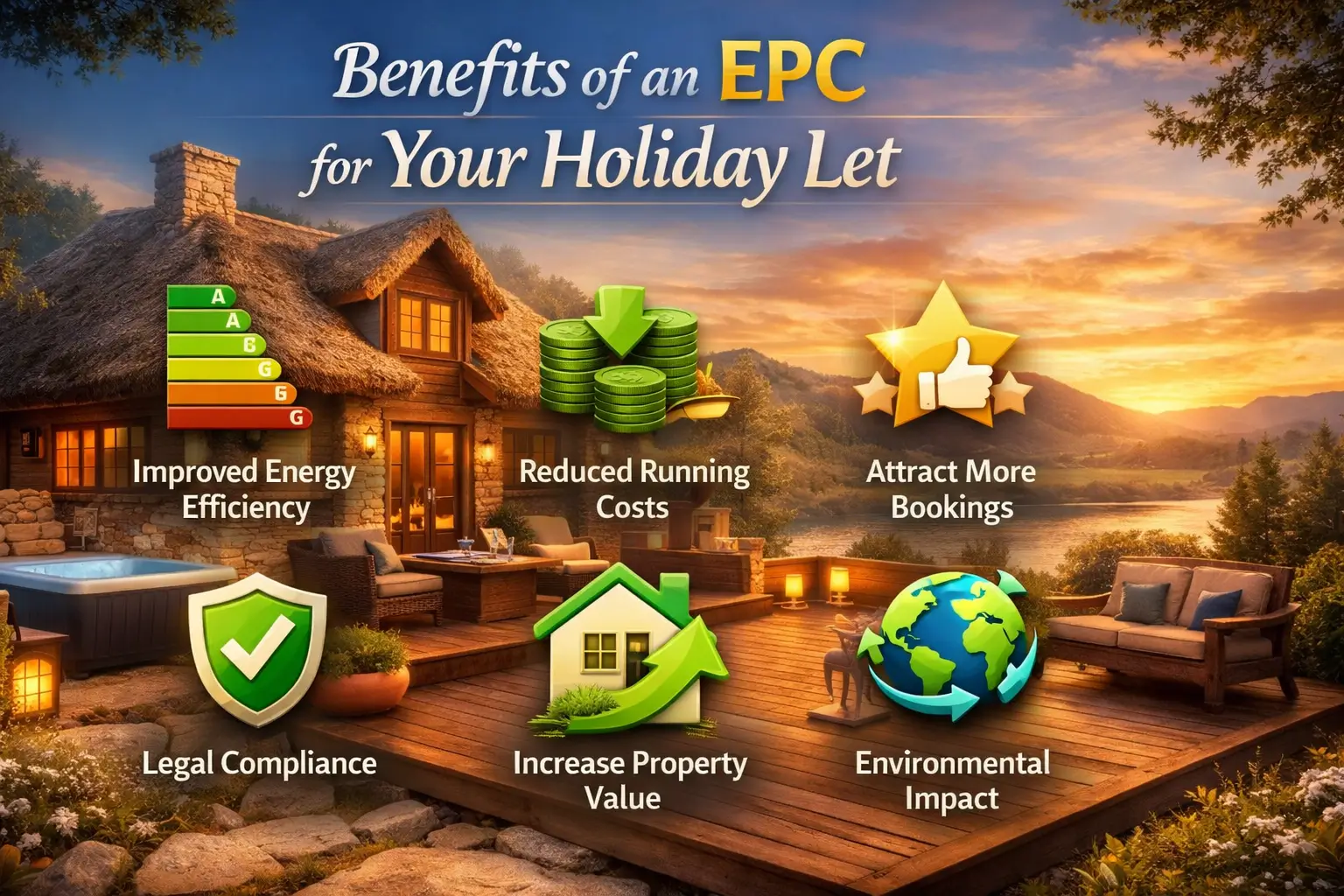
Benefits of an EPC for Your Holiday Let

An EPC for a holiday let does more than meet legal rules. It can highlight ways to save money and can also support marketing by appealing to guests who care about the environment.

By focusing on energy efficiency, such as fitting an energy-efficient boiler, you can offer a greener, more eco-friendly stay for your guests.
Cost Savings

Implementing EPC recommendations can lead to significant cost savings for holiday let owners. By making energy-efficient improvements such as:

  • insulation

  • double-glazing

  • low-energy lighting

  • solar panels

You can drastically reduce energy bills and decrease energy consumption. On average, the total cost savings from implementing EPC recommendations in holiday lets are estimated to be in the region of £15.7 million, including savings from fuel bills.

Marketing Advantages

An EPC can be a strong marketing advantage for a holiday let. Showing your EPC rating proves that the property meets recognised energy efficiency standards, which may appeal to guests who want greener places to stay. Some booking platforms also ask hosts to share an EPC rating, so having one can help increase your property’s visibility.

By promoting your focus on energy efficiency, you can make your holiday let stand out from others and attract a wider range of guests, especially those interested in sustainable travel.

Listed Buildings and EPCs

Listed buildings, known for their special architectural or historic value, have some exemptions when it comes to EPC rules. They do not have to meet the Minimum Energy Efficiency Standards, but they still need an EPC.

If the EPC shows a rating below E, improvements suitable for the building must be considered before applying for an exemption.

Simple upgrades that do not harm the building could include installing LED lighting or upgrading the boiler.

If there is any doubt about whether changes might affect the building’s character or appearance, it is important to speak with the local authority’s Conservation Officer. They can review the proposed changes and decide if an EPC is needed.

Regional Differences: EPCs in Scotland and Wales

EPC rules for holiday lets can vary slightly across different parts of the UK. While the main requirements are similar in England, Scotland, and Wales, it is important to be aware of regional differences to follow local regulations and government guidance correctly.

Scotland’s EPC Requirements

In Scotland, every holiday home must have an EPC, including listed buildings. There are no exemptions for holiday lets. The Scottish Government enforces these rules, and not following them can lead to fines of up to £2,000.

Wales’ EPC Requirements

In Wales, a holiday let does not need an EPC if it is rented for less than four months a year or let under a licence to occupy.

These rules are specific to Wales and can be different from other parts of the UK. However, if the holiday let is a Furnished Holiday Let (FHL) and the owner pays the energy bills, an EPC may not be required.

Improving Your Holiday Let’s Energy Efficiency

Following the recommendations in an EPC can greatly improve your holiday let’s energy efficiency. Making these changes helps create a greener, more eco-friendly stay for guests, lowers energy costs, and can make your property more attractive to potential renters.

Low Energy Lighting

A simple way to boost your holiday let’s energy efficiency is by using energy-saving lighting, like LED bulbs.

LEDs are affordable, long-lasting, and work well in all climates, making them ideal for holiday lets. Switching from regular bulbs to LEDs can save around £6 per year per bulb, which adds up to noticeable savings over time.

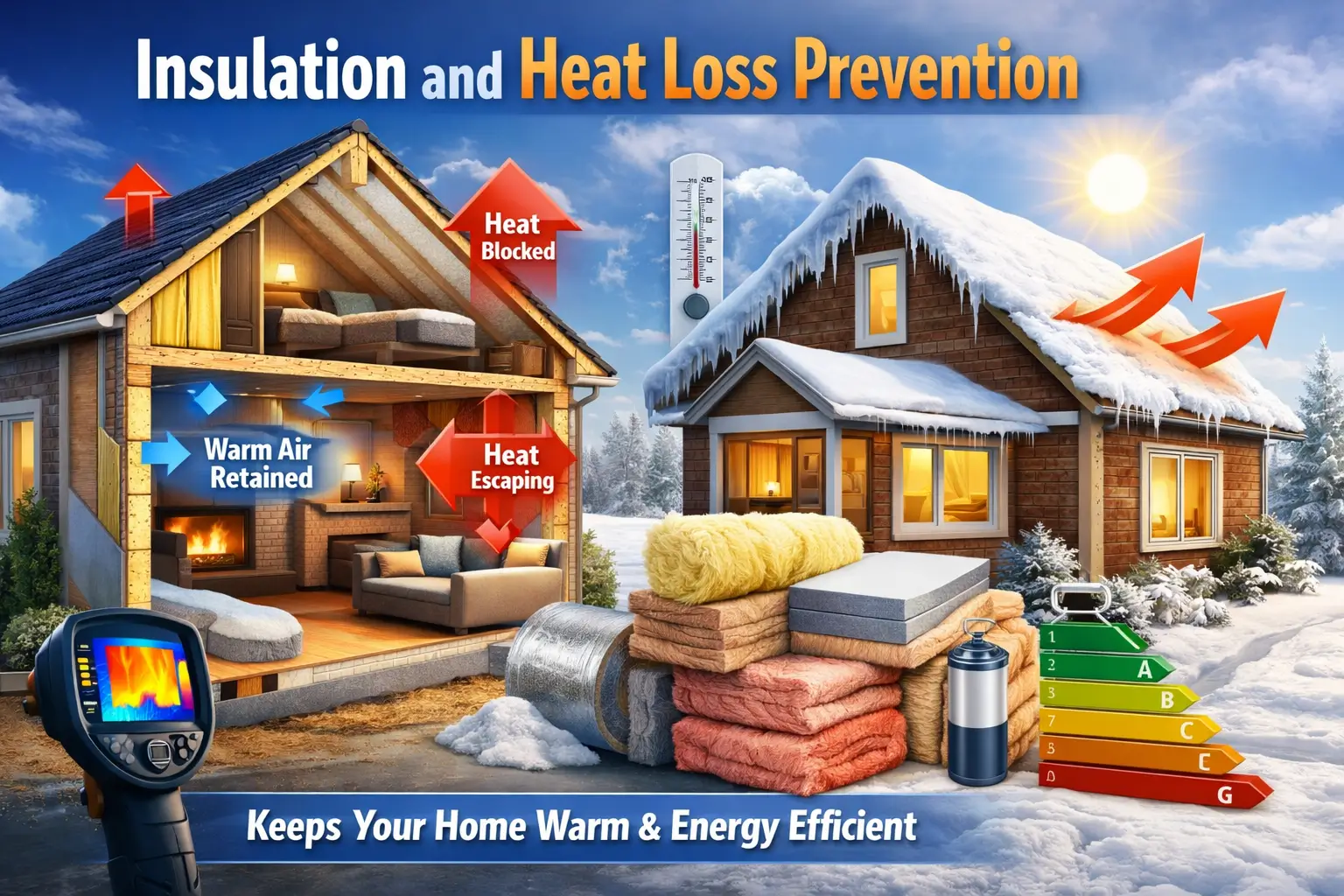
Insulation and Heat Loss Prevention

Another essential aspect of improving your holiday let’s energy efficiency is insulating your property to prevent heat loss. Some excellent options for insulation materials include:

  • Mineral wool

  • Sheep’s wool

  • Glass wool

  • Spray foam insulation

  • Polystyrene sheets

Summary

EPCs are important for holiday lets because they show how energy efficient a property is and give owners useful advice to save costs and improve sustainability.

By knowing the rules, process, and costs of getting an EPC, you can follow the law and enjoy the benefits of an energy-efficient holiday home.

Improving energy efficiency not only makes your property greener but also helps save money and can make your holiday let more appealing to guests.

Whether you own a listed building or a holiday home in England, Scotland, or Wales, it is worth checking EPC requirements and following recommendations to boost energy efficiency and create a more sustainable, enjoyable stay for your guests.

Frequently Asked Questions

Do EPC requirements apply to holiday lets?

Yes, EPC requirements do apply to holiday lets if the home is rented out for four months or more in any 12 month period. An EPC can also be beneficial in terms of cost savings.

Does an Airbnb require an EPC?

Yes, an Airbnb typically requires an EPC to be provided by the property owner when renting out the property, if the property is intended to be used for more than 4 months in a year. An Energy Performance Certificate is necessary in order to avoid any local authority enforcement action.

What are the legal requirements for a holiday let?

To legally operate a holiday let, you must adhere to fire safety regulations, obtain a licence from the local council, and have adequate insurance coverage.

What is an Energy Performance Certificate (EPC)?

An Energy Performance Certificate (EPC) is a record of the current energy efficiency of a property, detailing recommendations on how to reduce both energy bills and environmental impact.

Leave a Reply

Your email address will not be published. Required fields are marked *

EPC Form (Whole website)