EstimaCore Solutions

EPC Rating E

Understanding EPC Rating E: A Guide to Energy Efficiency in Properties

As energy saving and environmental protection become more important, knowing how efficient a property is has never mattered more.

An Energy Performance Certificate (EPC) rating is a useful guide that shows how much energy a property uses and where improvements can be made.

This article looks at EPC Rating E, what it means, why it matters, and how it can support a greener, more sustainable future.

Energy Efficiency and Its Importance

Energy efficiency means using energy in a smart way that reduces waste and delivers the best results. It is an important part of tackling climate change, cutting carbon emissions, and lowering our reliance on fossil fuels. By improving energy efficiency in buildings, we can make real progress toward global climate goals and help create a more sustainable future for the next generation.

Understanding the EPC Rating

The Energy Performance Certificate (EPC) rating is a standard system used to measure and compare how energy efficient homes and commercial buildings are.

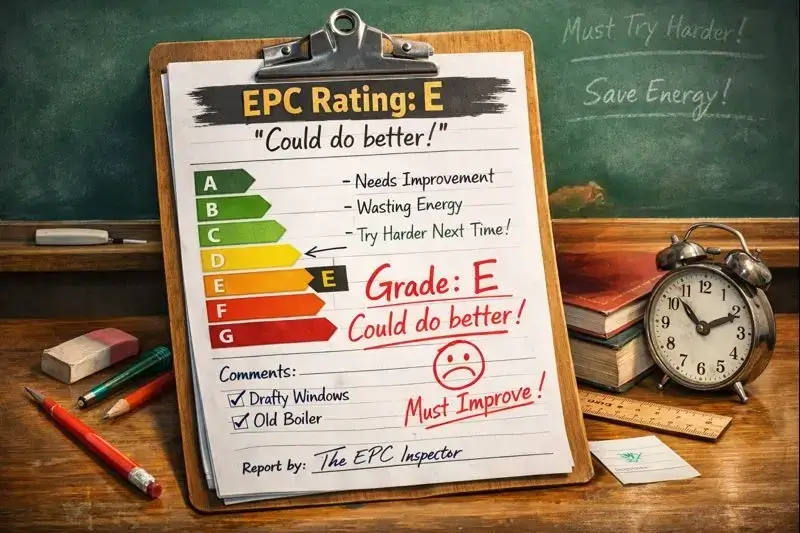
It shows a property’s energy performance, helping buyers, tenants, and owners make informed choices. EPC ratings go from A (the most efficient) to G (the least efficient), and Rating E sits toward the middle of this scale.

Understanding the EPC Rating

EPC Rating E signifies that a property has average energy efficiency, with room for improvement. Properties with this rating often have a significant potential for energy-saving upgrades, leading to reduced utility bills and a smaller carbon footprint. It presents an opportunity for property owners to implement cost-effective improvements that enhance both the value and comfort of their premises.

Identifying Areas for Improvement

An EPC assessment evaluates various aspects of a property, including its insulation, heating systems,glazing, lighting, and renewable energy sources.

The assessment identifies potential areas for improvement, such as upgrading insulation, installing more efficient boilers, fitting double glazing, and incorporating energy-saving lighting systems.

These upgrades can significantly enhance the energy performance of the property, leading to a higher EPC rating and improved overall efficiency.

Benefits of Improving EPC Rating E: Property owners who invest in improving their EPC Rating E can enjoy several benefits.

Firstly, reduced energy consumption translates into lower utility bills, leading to long-term cost savings.

Additionally, a higher EPC rating can enhance the desirability and market value of a property, attracting environmentally conscious tenants or buyers.

Moreover, energy-efficient properties contribute to lowering carbon emissions, contributing to a greener and more sustainable society.

Incentives and Support for Property Improvements: To encourage property owners to improve energy efficiency, various incentives and support schemes are available.

These may include grants, tax credits, and financing options specifically designed for energy-saving upgrades. Local authorities and energy companies often provide valuable resources, advice, and recommendations to guide property owners towards making informed decisions about improving their EPC rating.

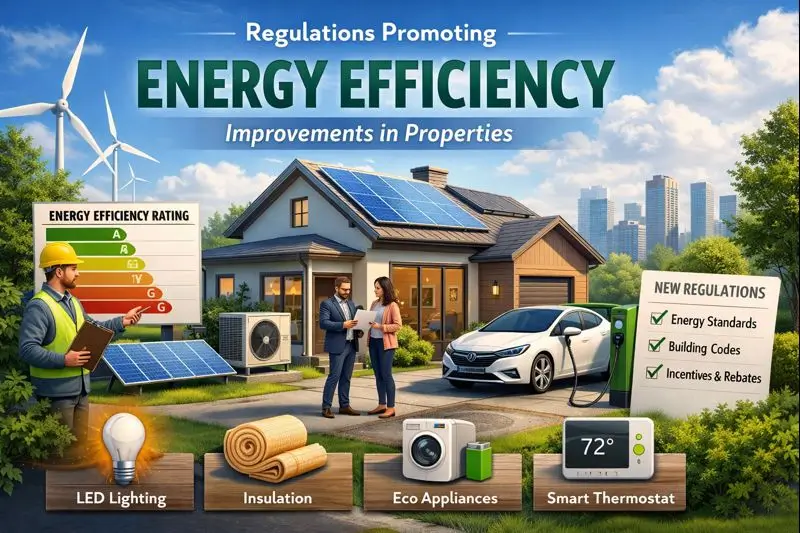
Regulations Promoting Energy Efficiency Improvements in Properties:

In recent years, there has been a growing emphasis on improving the energy efficiency of properties to combat climate change and reduce energy consumption.

The UK Government has implemented regulations to encourage property owners to make improvements. These regulations aim to drive the adoption of sustainable practices, reduce carbon emissions, and create a greener future. This section explores some of the key regulations that promote energy efficiency in properties.

Energy Performance Certificates (EPC)

One of the foundational regulatory measures is the requirement for properties to have an Energy Performance Certificate (EPC) when they are sold, rented, or constructed.

EPCs assess a property’s energy efficiency and provide recommendations for improvement.

Property owners are encouraged to implement the suggested measures to enhance their EPC rating and make their properties more energy efficient.

Minimum Energy Efficiency Standards (MEES)

The UK has introduced Minimum Energy Efficiency Standards (MEES) that set a minimum EPC rating threshold for rented properties.

Landlords are legally obligated to ensure their properties meet or exceed the specified rating.

In the case of EPC Rating E properties, landlords may be required to carry out energy efficiency improvements to raise the rating before renting out the property.

Building Codes and Regulations

Building codes and regulations have been revised and updated to incorporate energy efficiency standards.

These codes often specify requirements for insulation, HVAC systems, lighting, and other energy-consuming elements in new construction or major renovations.

Compliance with these codes ensures that new properties meet a certain level of energy efficiency.

Financial Incentives and Grants

Governments and local authorities often provide financial incentives and grants to encourage property owners to invest in energy efficiency improvements.

These incentives can include tax credits, subsidies, and grants that offset the costs of energy-efficient upgrades.

By making such improvements more financially viable, property owners are motivated to enhance the energy efficiency of their properties.

Energy Efficiency Programs

Many regions have implemented energy efficiency programs that aim to educate property owners about the benefits of energy-efficient practices and provide support for implementing improvements.

These programs offer guidance, resources, and access to energy audits, enabling property owners to identify areas for improvement and take appropriate actions.

ties.

Retrofitting and Renovation Requirements

In some cases, regulations may require property owners to undertake energy efficiency retrofitting or renovations when significant changes are made to the property.

This ensures that improvements are made when opportunities arise, leading to enhanced energy efficiency and reduced environmental impact.

Complying with these regulations not only helps property owners avoid penalties but also contributes to the collective effort in creating a sustainable future.

By improving the energy efficiency of properties, we can reduce energy consumption, lower carbon emissions, and create healthier and more comfortable living and working environments.

The Role of Energy in Property Efficiency and Improvement

Energy use has a major impact on how efficient a property is and plays a key role in improving building performance. Understanding why energy matters is important when looking at EPC ratings and where improvements can be made.

This section explains the link between energy use, property efficiency, EPC ratings, and the potential for better performance.

Energy Consumption and Efficiency

Energy consumption in properties encompasses electricity, heating, cooling, and other energy-related activities.

Enhancing energy efficiency involves optimsing the use of energy resources to achieve the desired outcome while minimizing waste.

By implementing energy-efficient measures, property owners can reduce their energy consumption, lower utility costs, and minimize the environmental impact associated with energy production and usage.

Influence on EPC Ratings

Energy efficiency is a critical factor in determining the EPC rating of a property. EPC ratings assess a property’s energy performance, taking into account its energy consumption and potential for improvement.

The more energy efficient a property is, the higher its EPC rating will be. Improving energy efficiency through various measures, such as insulation upgrades, efficient heating systems and controls, can lead to a higher EPC rating, indicating a more energy-efficient property.

Potential for Energy Improvement

Properties with lower EPC ratings, including those rated E, often have significant potential for energy improvement.

These properties typically have room for enhancement in terms of energy-saving measures, such as installing renewable energy systems like solar panels, improving insulation, upgrading to energy-efficient appliances, and implementing smart energy management systems.

By tapping into this potential, property owners can make substantial strides towards energy efficiency and reduce their carbon footprint.

Energy-Efficient Building Design and Construction

Energy efficiency begins at the design and construction stage of a property.

Incorporating sustainable building practices, such as utilising natural light, optimising insulation, and incorporating energy-efficient systems, can significantly improve a property’s energy performance.

Considering factors like orientation, materials, and building envelope design can maximize energy efficiency and reduce long-term energy demands.

Monitoring and Management of Energy Consumption

Effective energy management and monitoring systems enable property owners to track and analyse energy consumption patterns, identify areas of high energy usage, and make informed decisions to optimize efficiency.

Implementing energy management strategies, such as submetering, energy monitoring software, and occupant engagement programs, allows for real-time monitoring, efficient energy usage, and the identification of areas for improvement.

Benefits of Energy Efficiency

Investing in energy efficiency brings numerous benefits to property owners and occupants.

By reducing energy consumption, property owners can lower utility costs, increase property value, and improve overall financial performance.

Energy-efficient buildings also provide enhanced comfort, improved indoor air quality, and a healthier living and working environment for occupants.

Furthermore, energy efficiency contributes to the global effort to combat climate change by reducing carbon emissions and dependence on fossil fuels.

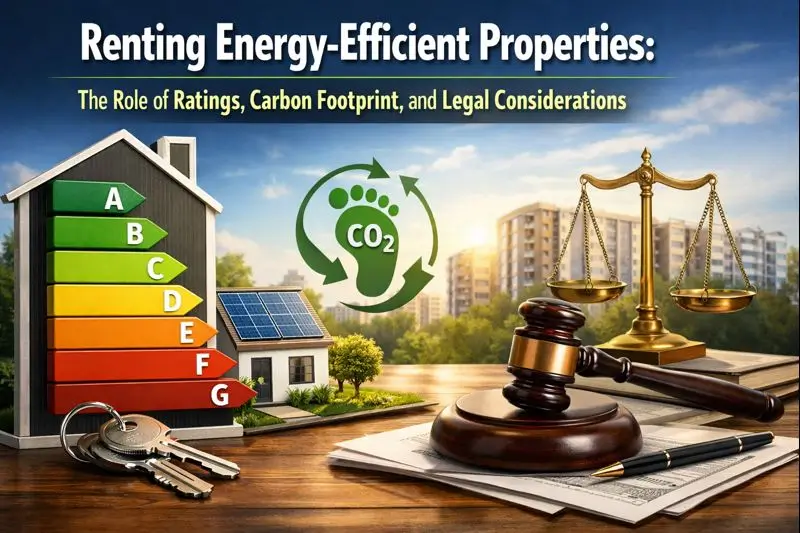
Renting Energy-Efficient Properties: The Role of Ratings, Carbon Footprint, and Legal Considerations

Renting energy-efficient properties has become increasingly popular as more people focus on sustainability and lowering energy bills.

This section looks at key points of renting energy-efficient homes, including property ratings, carbon footprint, and the legal responsibilities that landlords and tenants need to consider.

Property Ratings and Energy Efficiency

When searching for a rental property, prospective tenants can consider the property’s Energy Performance Certificate (EPC) rating.

EPC ratings provide valuable insights into a property’s energy efficiency, helping tenants assess the potential energy consumption and associated costs.

Opting for properties with higher EPC ratings, such as A or B, indicates a higher level of energy efficiency and may result in lower utility bills.

Reducing Carbon Footprint

Renting an energy-efficient property can contribute to reducing one’s carbon footprint.

Properties with higher EPC ratings typically have lower energy consumption, resulting in decreased greenhouse gas emissions.

By choosing an energy-efficient rental, tenants can actively participate in mitigating climate change and promoting sustainable living.

Legal Requirements and Compliance

Landlords have legal obligations regarding energy efficiency when renting out properties.

The Minimum Energy Efficiency Standards (MEES) establish a minimum EPC rating threshold for rented properties.

Landlords must ensure that their properties meet or exceed the specified rating. In some cases, they may be required to carry out energy efficiency improvements to comply with these regulations before renting out the property.

However, in some cases, it may not be possible for a property to meet the Minimum Energy Efficiency Standard of an E. This could be because of the design of the property or the costs to reach an E rating are prohibitive.

Tenant Rights and Energy Efficiency

Tenants also have rights and responsibilities related to energy efficiency in rental properties.

They have the right to receive accurate and up-to-date EPC information before renting a property, enabling them to make informed decisions.

Additionally, tenants should be mindful of their own energy usage and consider adopting energy-efficient practices, such as using energy-saving appliances and implementing energy-conscious habits, to further reduce their environmental impact.

Financial Benefits for Tenants

Renting an energy-efficient property can offer financial benefits to tenants. Properties with higher energy efficiency tend to have lower energy bills, leading to potential long-term cost savings.

Additionally, some landlords may offer incentives, such as reduced rent or utility cost-sharing arrangements, for tenants who actively contribute to energy efficiency measures.

Landlord Responsibilities and Opportunities

Landlords have a unique opportunity to contribute to energy efficiency by providing energy-efficient properties to tenants.

By ensuring their properties meet or exceed minimum energy efficiency standards, landlords can attract environmentally conscious tenants, enhance property value, and comply with legal requirements.

Moreover, landlords can benefit from financial incentives, grants, and tax credits offered by local authorities or energy companies for making energy efficiency improvements.

Maximising Energy Efficiency in Properties: Improvements and Ratings for Energy-Efficient Properties

Properties use a lot of energy, but they also offer a chance to support a more sustainable future.

By focusing on energy efficiency, owners can make meaningful improvements and achieve better energy ratings.

This section looks at why energy efficiency matters in properties, how improvements can be made, and the role of energy ratings in creating more efficient homes.

Energy Efficiency in Properties

Energy efficiency in properties refers to the optimal use of energy resources to minimize waste and maximise performance.

By implementing energy-efficient measures, property owners can reduce energy consumption, lower operating costs, and reduce the environmental impact associated with energy use.

Enhancing energy efficiency contributes to creating healthier and more sustainable living and working environments.

Potential for Improvement

Properties, regardless of their current energy efficiency, often have room for improvement.

Through a range of upgrades and modifications, property owners can significantly enhance their energy efficiency.

Potential improvements may include enhancing insulation, upgrading heating and cooling systems, implementing energy-saving lighting solutions, and adopting renewable energy sources.

These improvements can lead to reduced energy consumption and lower utility bills, creating a more sustainable property.

Energy Performance Certificates (EPC)

Energy Performance Certificates (EPCs) are assessments that provide an indication of a property’s energy performance. EPCs include an energy rating that ranges from A (most efficient) to G (least efficient).

Property owners can obtain an EPC rating for their properties, which offers insights into current energy consumption and identifies areas for improvement.

Higher EPC ratings demonstrate higher energy efficiency and may increase the desirability and value of properties.

What causes a property to have a rating of an E

The 3 things that have the biggest impact on the rating of the EPC are:

·      The main fuel source (ie gas, electric, oil, lpg etc)

·      The levels of insulation in the property

·      The heating system and controls

For a property to be in EPC band E means it’s probably rating poorly on 2 of the items above. If the property is currently an F or G rating, then it probably rates poorly on all 3 and it’s going to have to improve on at least one of these areas.

Importance of Energy Ratings

Energy ratings are valuable tools for property owners and prospective buyers or tenants.

Higher energy ratings signify energy-efficient properties that consume less energy, resulting in lower energy bills and reduced environmental impact.

Energy ratings provide transparency and help individuals make informed decisions when renting or purchasing properties, encouraging the demand for energy-efficient spaces.


Benefits of Energy-Efficient Properties

Investing in energy-efficient improvements for properties offers numerous benefits. Property owners can enjoy reduced energy bills, increased property value, and enhanced marketability.

Energy-efficient properties provide improved comfort, healthier indoor environments, and increased tenant or occupant satisfaction.

Additionally, energy-efficient properties contribute to global sustainability efforts by reducing carbon emissions and conserving natural resources.


Government Incentives and Support

Governments and local authorities often offer incentives and support to promote energy-efficient properties.

These can include grants, tax credits, and financial assistance programs specifically designed to encourage energy efficiency improvements.

Property owners can take advantage of these opportunities to offset the costs of implementing energy-efficient measures and accelerate the transition towards a greener future.

Improving Property Energy Efficiency: Strategies to Enhance Efficiency Legally and with an Energy Performance Certificate (EPC)

Improving the energy efficiency of properties is a crucial step toward reducing carbon emissions and creating sustainable environments.

Property owners have the opportunity to enhance energy efficiency through various strategies while adhering to legal requirements and obtaining an Energy Performance Certificate (EPC).

This section explores effective ways to improve property energy efficiency while ensuring compliance with regulations and leveraging the benefits of an EPC.

Assess the Current Energy Performance

The first step in improving property energy efficiency is to assess its current performance.

An Energy Performance Certificate (EPC) provides valuable insights into a property’s energy consumption and potential for improvement.

It identifies areas of energy loss and offers recommendations for enhancing efficiency.

By obtaining an up to date EPC, property owners can gain a clear understanding of their property’s energy performance and plan targeted improvements accordingly.

The main areas that should be addressed are:

  • Upgrade Insulation

  • Optimise Heating and Cooling Systems

  • Install Energy-Efficient Lighting

  • Integrate Renewable Energy Sources

  • Seek Professional Advice from a qualified Domestic Energy Assessor

Stay Compliant with Regulations

When improving property energy efficiency, it is crucial to stay compliant with local regulations and legal requirements.

Understand and adhere to the Minimum Energy Efficiency Standards (MEES) and any other energy-related regulations specific to your region.

Failure to comply may result in penalties or limitations on renting or selling the property.

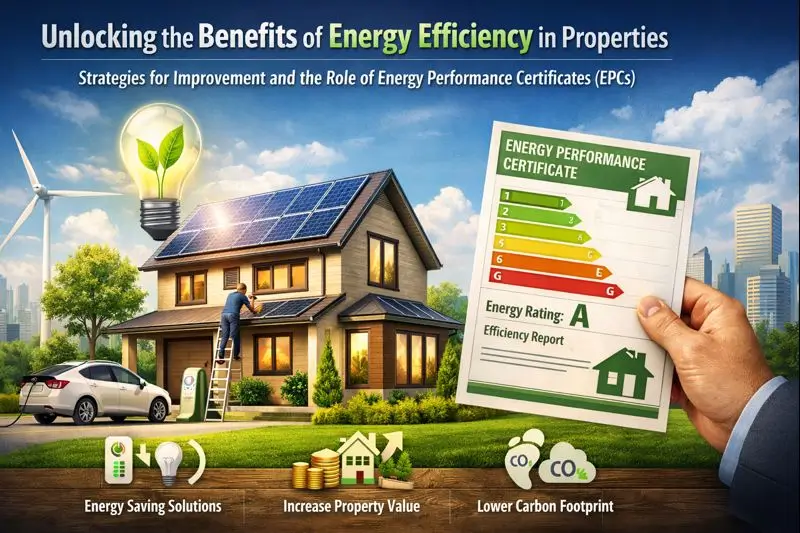
Unlocking the Benefits of Energy Efficiency in Properties: Strategies for Improvement and the Role of Energy Performance Certificates (EPCs)

Energy efficiency is essential for making properties both sustainable and cost-effective.

Focusing on energy efficiency helps property owners use less energy, cut utility bills, and support environmental protection.

This section looks at ways to improve energy efficiency and explains how Energy Performance Certificates (EPCs) help assess and promote energy-efficient buildings.

Understanding Energy Efficiency

Energy efficiency refers to maximising the output or services obtained from energy resources while minimising energy waste.

In the context of properties, it involves optimising the use of energy to achieve the desired comfort levels and operational requirements while reducing energy consumption.

Enhancing energy efficiency not only leads to financial savings but also plays a crucial role in mitigating climate change and preserving natural resources.

Implementing Energy-Saving Measures

Property owners can employ various strategies to improve energy efficiency. These measures include upgrading insulation, sealing air leaks, installing energy-efficient appliances and lighting systems, utilising programmable thermostats, and adopting smart energy management technologies.

Each improvement contributes to reducing energy waste and enhancing overall efficiency in energy utilisation.

Assessing Energy Performance with EPCs

Energy Performance Certificates (EPCs) provide a standardised method for assessing and comparing the energy performance of properties.

EPCs evaluate various factors, such as insulation, heating systems, ventilation, and renewable energy sources, to assign an energy efficiency rating.

Property owners can obtain an EPC to understand their property’s current energy performance and identify opportunities for improvement.

EPC Recommendations for Improvement

EPCs not only provide energy efficiency ratings but also offer recommendations for enhancing a property’s energy performance.

These recommendations may include insulation upgrades, boiler replacements, renewable energy installations, and other energy-saving measures.

Property owners can leverage these suggestions to prioritise improvements that align with their goals, budget, and desired level of energy efficiency.

Monitoring and Continuous Improvement

Monitoring energy consumption is essential for maintaining and continuously improving energy efficiency in properties.

Property owners can use energy monitoring tools and technologies to track energy usage, identify patterns, and pinpoint areas of potential improvement.

Regular assessments, periodic energy audits, and tenant engagement can help ensure that energy efficiency measures remain effective and aligned with evolving standards and technologies.

Empowering Landlords to Improve Energy Efficiency in Properties: Enhancing Energy Performance and EPC Ratings

Landlords play a crucial role in improving energy efficiency in properties, as they have the power to make significant changes that positively impact energy consumption and environmental sustainability.

By actively seeking opportunities to improve energy efficiency, landlords can enhance the overall performance of their properties and elevate their Energy Performance Certificate (EPC) ratings.

This section explores strategies that empower landlords to prioritize energy efficiency and achieve notable improvements in their properties.

Embrace Energy-Saving Measures

Landlords can proactively implement energy-saving measures to improve energy efficiency in their properties.

This may include upgrading insulation, replacing inefficient appliances with energy-efficient models, installing programmable thermostats, and optimising heating and cooling systems.

By embracing these measures, landlords can reduce energy consumption and lower utility costs while providing tenants with comfortable and sustainable living spaces.

Conduct Energy Audits

Performing energy audits allows landlords to gain insights into the current energy performance of their properties.

Energy audits can help identify areas of improvement, assess the effectiveness of existing energy-saving measures, and uncover opportunities for further energy efficiency enhancements.

Landlords can hire professionals to conduct thorough energy audits or utilise online tools and resources to conduct preliminary assessments.

Monitor and Track Energy Consumption

Monitoring energy consumption is crucial for landlords to understand usage patterns, identify inefficiencies, and track the impact of implemented energy-saving measures.

By utilising energy monitoring systems, landlords can gain real-time visibility into energy consumption and make data-driven decisions to optimize efficiency.

This data can also be used to communicate the benefits of energy efficiency to tenants and promote sustainable practices.

Educate Tenants on Energy Efficiency

Landlords can empower tenants to contribute to energy efficiency efforts by providing education and resources.

Informing tenants about the benefits of energy efficiency, offering energy-saving tips, and sharing information on local programs or incentives can encourage responsible energy usage.

Promoting awareness and collaboration with tenants fosters a collective effort to improve energy efficiency and cultivate a sustainable living environment.

Implement Renewable Energy Solutions

Consider integrating renewable energy sources into properties to enhance energy efficiency.

Installing solar panels, wind turbines, or geothermal systems allows landlords to generate clean energy on-site, reducing reliance on traditional energy sources.

Renewable energy solutions can contribute to lowering carbon emissions, lowering operating costs, and has a significant impact in improving the property’s EPC rating.

Monitor and Improve EPC Ratings

EPC ratings are a valuable tool for landlords to assess and communicate the energy efficiency of their properties.

Landlords should regularly monitor and seek opportunities to improve their EPC ratings.

Implementing energy-saving measures, such as those mentioned earlier, can positively impact EPC ratings, indicating higher energy efficiency and enhancing the market value and desirability of properties.

Leverage Government Incentives and Support

Governments and local authorities often provide financial incentives, grants, and support programs to encourage energy efficiency improvements in properties.

Landlords can take advantage of these resources to offset the costs associated with energy-saving upgrades and renovations.

Exploring available incentives and engaging with relevant energy efficiency programs can provide valuable financial and technical support for landlords.

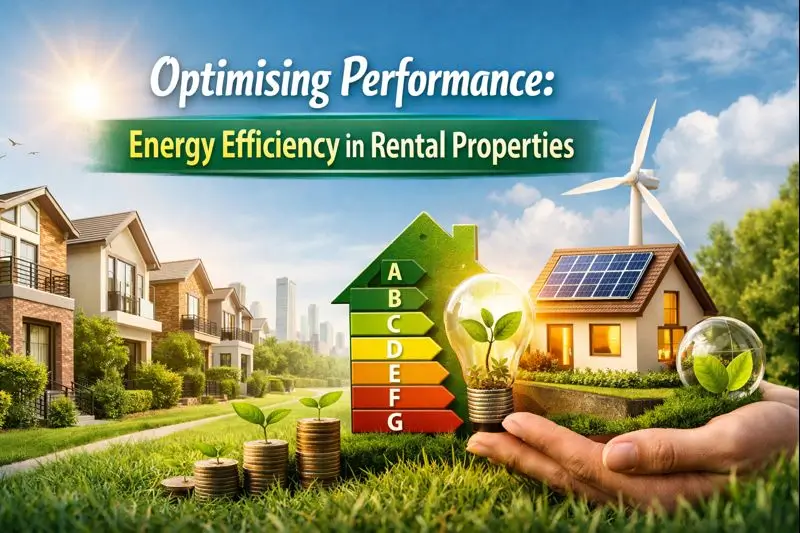
Optimising Performance: Energy Efficiency in Rental Properties

Energy efficiency is an important measure for rental properties, affecting running costs and tenant satisfaction.

Improving energy efficiency helps lower energy use and utility bills, while also supporting environmental sustainability.

This section looks at why energy efficiency matters in rental properties and shares ways to improve it for more cost-effective and sustainable living spaces.

Energy Efficiency as a Performance Metric

Energy efficiency is a crucial performance metric for rental properties. It directly impacts operational costs and influences the overall financial viability of the property. Properties with higher energy efficiency tend to have lower energy consumption, resulting in reduced utility bills for both landlords and tenants. By prioritizing energy efficiency, landlords can enhance property performance and create a competitive advantage in the rental market.

Lowering Operational Costs

Improving energy efficiency in rental properties leads to lower operational costs for landlords.

Energy-efficient measures, such as upgrading insulation, optimizing heating and cooling systems, and installing energy-saving appliances, can significantly reduce energy consumption and associated expenses.

By lowering operational costs, landlords can increase profitability and allocate resources to other areas of property management and maintenance.

Tenant Satisfaction and Retention

Energy-efficient properties contribute to tenant satisfaction and retention.

Energy-efficient features, such as adequate insulation, efficient heating and cooling systems, and energy-saving lighting, provide increased comfort and reduced utility expenses for tenants.

Tenants are more likely to stay in properties that offer lower energy costs and a comfortable living environment, enhancing long-term tenant relationships and reducing turnover rates.

Promoting Environmental Sustainability

Improving energy efficiency in rental properties aligns with broader environmental sustainability goals.

Energy-efficient properties consume fewer resources, resulting in reduced greenhouse gas emissions and a smaller carbon footprint.

By actively promoting environmental sustainability, landlords can attract environmentally conscious tenants and contribute to the collective effort in combating climate change and conserving natural resources.

Tenant Education and Engagement

Educating tenants about energy-saving practices and engaging them in energy efficiency efforts can further optimise performance in rental properties.

Landlords can provide guidelines on energy-conscious behaviors, encourage responsible usage of appliances and lighting, and suggest simple yet impactful measures for reducing energy consumption.

Engaging tenants in energy efficiency initiatives creates a shared responsibility for energy conservation and fosters a sustainable living community.

Summary

Energy efficiency is important for all properties, whether for homeowners or landlords.

Improving energy efficiency can include upgrading insulation, improving heating and cooling systems, using energy-saving lighting, and adding renewable energy sources.

These changes help reduce energy use, lower bills, and support environmental sustainability.

Energy Performance Certificates (EPCs) give useful information about a property’s energy performance and suggest ways to improve it.

Property owners can use EPC ratings to check energy efficiency and plan upgrades.

Following regulations, educating tenants about energy use, and monitoring performance are also key to improving efficiency.

By focusing on energy efficiency, property owners can save money, increase property value, keep tenants happy, and contribute to a greener future.

Leave a Reply

Your email address will not be published. Required fields are marked *

EPC Form (Whole website)